Bruce Stainsby's Blog: Muttering from the mo

Old Amman, the Citadel, Desert Castles, Umm Qays, Ajlun and Jarash. (March 2012)

March 30th, 2012

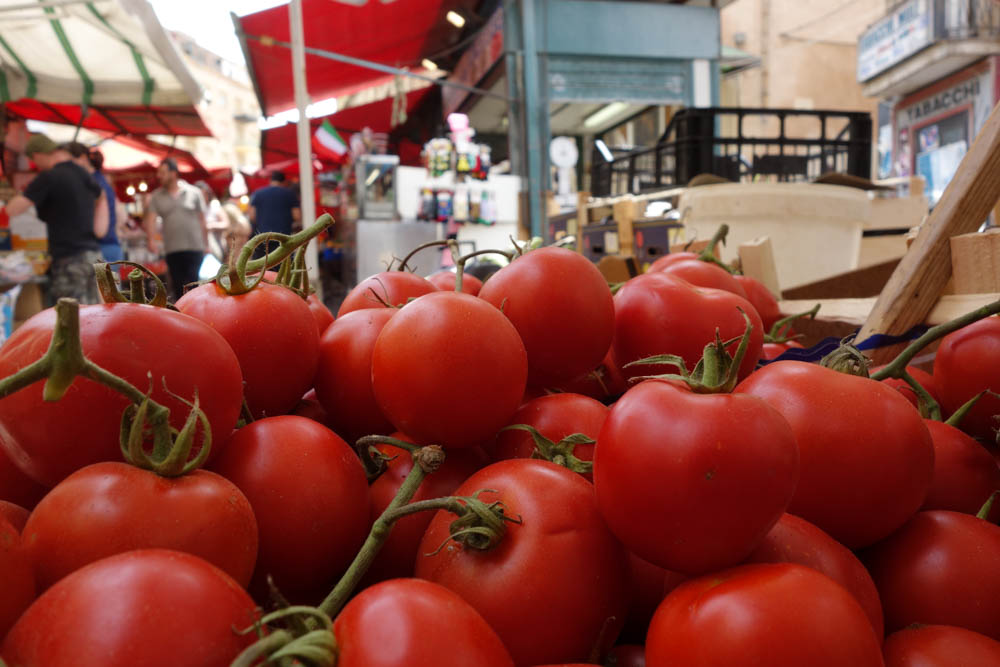
Like Old Cairo, the ‘Downtown’ area of Amman, the capital of Jordan, has the most character.

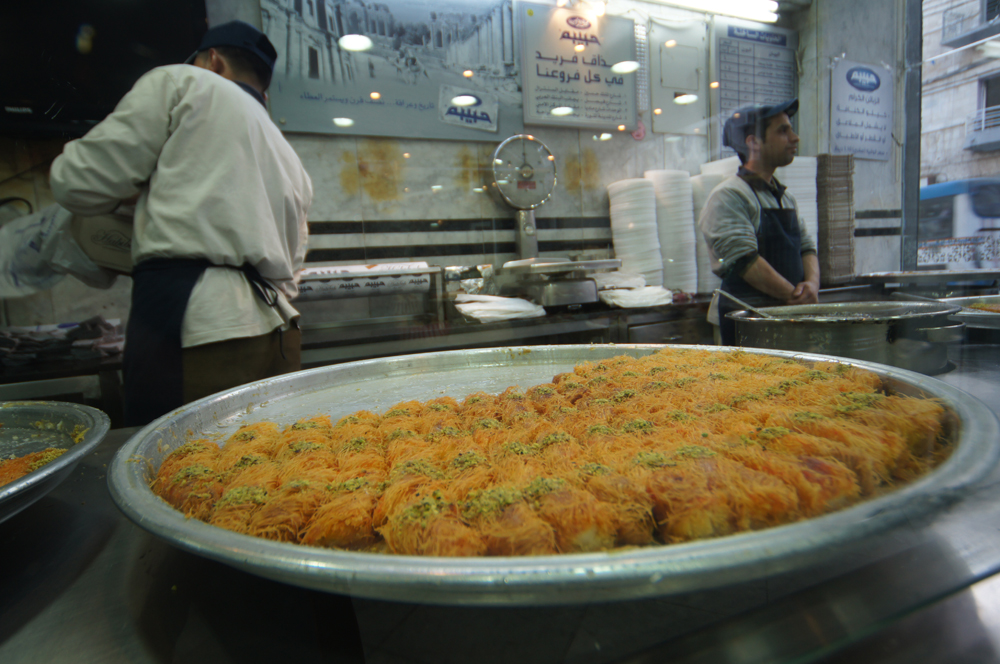
There are markets, street vendors, restaurants and cake shops.

The Jordanians seem to have a sweet tooth and the shops in this area are famous for producing pastries and cakes that are full of nuts and soaked in honey.

The Amman Citadel towers over the old part of Amman and is one of the city’s oldest known places.

This hill has a history dating back 7,000 years, to the time of the rise of civilisation in Mesopotamia and the Nile Valley.

The Citadel, with it’s panoramic views of Amman, is dominated by the Temple of Hercules.

The Desert Castles are out to the east of Amman and some of them are not castles at all.

Al Harrana Castle was built as an inn and Amra Castle was originally a guest house with a Turkish Bath.

The only real castle is Al-Azeaq and it’s claim to fame is that Laurence of Arabia spent some time here while fighting the Ottoman Turks during WW1.

Umm Qays is an ancient Roman city that is perched on a hilltop with splendid views of Jordan, Israel and Lebanon.

Well it would have had splendid views if it wasn’t for another sandstorm.

Ajlun Castle was built by one of Saladin’s generals in 1184 AD. It became an important link in the defensive chain against the Crusaders.

Jarash has been continually inhabited for 6,500 years and boasts one of the best preserver Roman provincial towns in the world.

Again the sandstorms prevailed but they did make for great light, especially late in the afternoon.
Old Cairo and Al-Azhar Park. (March 2012)

March 30th, 2012

We decided to visit Al-Azhar Park, not knowing that it was right next to the old Muslim part of Cairo we had visited previously.

After that we just spend some time wandering through the streets and then sitting and sipping a sweet cup of Turkish coffee.

We then headed to the park and it seems that most of the city had the same idea.

It was a great insight into what the average Cairene does on their day of rest.

Old Cairo. (March 2012)

March 23rd, 2012

On returning to Cairo we visited the old Muslim section.
Most people were exhausted and just wanted to head back to the hotel, me included. However this detour turned out to be one of the highlights.
The old city is still full of character and characters.

”Mr Moustache” (March 2012)

March 20th, 2012

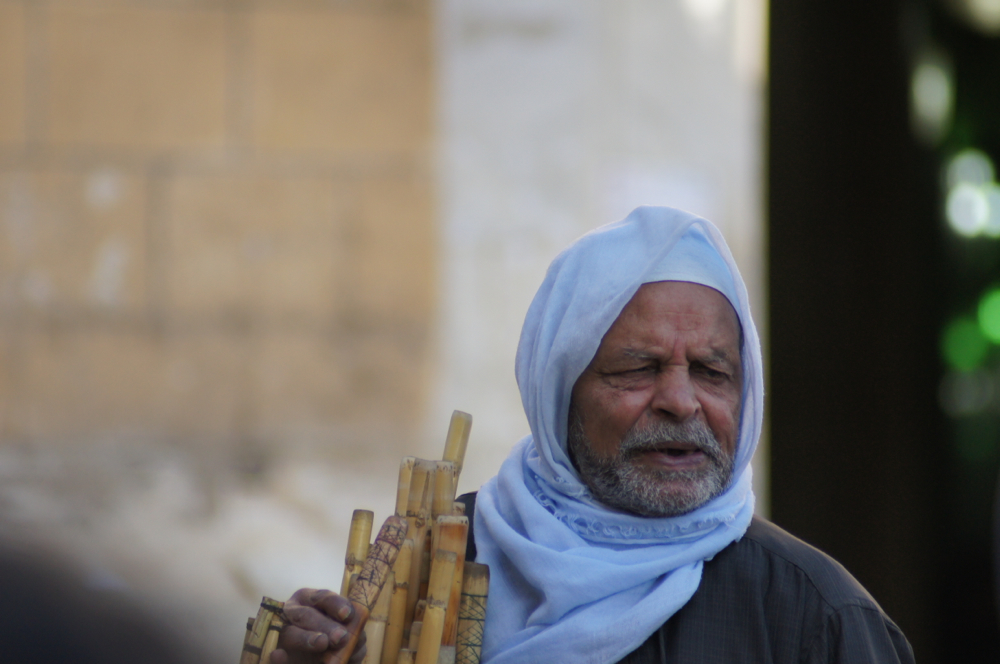
This was the most common way I was greeted by the hawkers outside every tourist attraction, from Luxor to Aswan.

What happened after that, varied with every encounter.

They have all developed their individual ways of trying to separate you from your money.

Some are humorous and charming, while others are persistent and annoying.

A bit like being tied to a chair and forced to watch thirty minutes non stop of Harvey Norman ads.

What is also common to the hawkers, is the unwavering optimism they have, that they will make a sale and it will be from you.

This optimism turns from frustration to desperation as the backside of last tourist disappears up the steps of the tour bus.

I think we are all over the constant hassle but it’s easy forget that this is how they put falafel on the table.

And with tourism running at about 62% of what it was before the revolution, their desperation is understandable.

Death (of the internet) on the Nile. (March 2012)

March 15th, 2012

Since leaving Cairo our internet connections and therefore ability to publish any new photos has been limited.

In fact it was slower than our bus through the Cairo traffic.

So I have decided to publish everything since leaving Cairo two weeks ago.

Either click on the place name links below or go straight to the ‘Photography’ tab in the tool bar.


El Alamein and Alexandria. 

Partly cloudy in El Alamein, which added to the somberness of the location. Then the sun came out in Alexandria which was excellent for snapping some of the locals.


Luxor, the Necropolis of Thebes, Valley of the Kings and the Temple of Queen Hatshepsut.

The air is clear and dry with golden sunsets over the west bank of the Nile near Luxor.

A dawn ballooning trip gave us a different perspective and wonderful views of the Nile from the air.

With this light, it’s easy to see why the ancient Egyptians used vibrant blues, illuminating golds and rich ochres to so skilfully decorate the tombs of their kings and temples of their gods.


Luxor to Aswan and Abu Simbel.

We travelled from Luxor to Aswan with a side trip to Abu Simbel.

The same clear, dry weather continues with deep blue skies. The golden desert is just beyond a ribbon of fertile land that clings to the banks of the Nile.

Everyone is madly snapping.


Philai Temple, dedicated to goddess Isis.

Like the temples at Abu Simbel, the Philai Temple was moved 550 meters to a new island, Agilika, to make way for the Aswan High Dam.


Mount Sinai and St Catherine’s.

We climbed for over three hours, through the night, to get to Mount Sinai, or Mount Moses as the locals call it.

The idea was to witness the sunrise from the summit.

The sunrise wasn’t spectacular but the light on the mountains, just after dawn, gave everything a golden glow.

Cairo and the Pyramids. (February/March 2012)

March 2nd, 2012

More sand storms and not the picture postcard blue sky you’d expect in Cairo but still it’s very interesting light.


Malaysia and Dubai. (February 2012)

February 29th, 2012

I have just posted some snaps of Tioman Island and Kuala Lumpur in Malaysia as well as Dubai in the United Arab Emirates.

The light in the Dubai was amazing, especially during a sand storm.


Biggest.

February 28th, 2012

There is a belief in advertising to always try and make a positive claim about your product. That’s not a bad thing, if your claim has a consumer benefit like strongest, safest or most reliable.

However a number of brands, having achieved market leader status, rely on being ‘biggest’ for their claim.

They forgot what got them there and just reflected on their achievements, in the belief that this is important to the consumer.

The trouble with this strategy is that sooner or later their position at the top of the ‘biggest’ tree will be challenged by someone else.

Then they become second biggest and who wants to be in second place?

Dubai, in the United Arab Emirates, boasts a lot of ‘biggest’ things.

The world’s biggest indoor ski slope.

The world’s biggest indoor aquarium with the world’s largest acrylic viewing window.

The world’s largest shopping mall. In fact Dubai will soon have five of the seven biggest shopping malls in the world.

And of course, they have the Burj Khalifa, the world’s tallest building.

In marketing terms this strategy might doom them to a certain fall. But their ‘biggest’ positioning has also become their strategy.

When you build a city out of the desert, on an area that 60 years ago had little more than a few houses, camels and date palms you need to do something spectacular.

When oil was discovered in 1966 the then ruler of Dubai, Sheikh Rashid, used the money to start a development program that would eventually lead to modern day Dubai.

They needed a city that would attract attention and investment from all over the world.

Their way of creating a unique product was to go with a strategy of ‘big’

They didn’t become big and then fall back on that, they started off with the idea to be big.

The entire city is a work in progress, building bigger and bigger things. I wonder how long this race to collect the most Guinness world records can last?


Symbolism.

February 25th, 2012

There are two seafood BBQ restaurants on the outskirts of Tekek on Tioman Island.

We have been there twice and both times one was crowded and the other empty.

There appears to be no real difference between the two.

Normally it would come down to reputation and repeat business. However in this instance the patrons are predominately tourists and are only on Tioman for a few days at a time.

I put it down to symbolism.

The guy hovering over the hot coals, at the popular spot, has a hat and it’s a very symbolic hat.

Leave well enough alone.

February 19th, 2012

So much for blogging about globalised advertising and marketing.

I have just witnessed, first hand, what a lack of marketing to can do for a tourist’s experience.

I am currently on Tioman Island, a small pearl shaped dot off the east coast of Malaysia, in the South China sea.

It’s marketed as an unspoiled paradise.

Admittedly this is the off season but so far it has lived up to the spin. There are no touts and no pressure to buy this or do that.

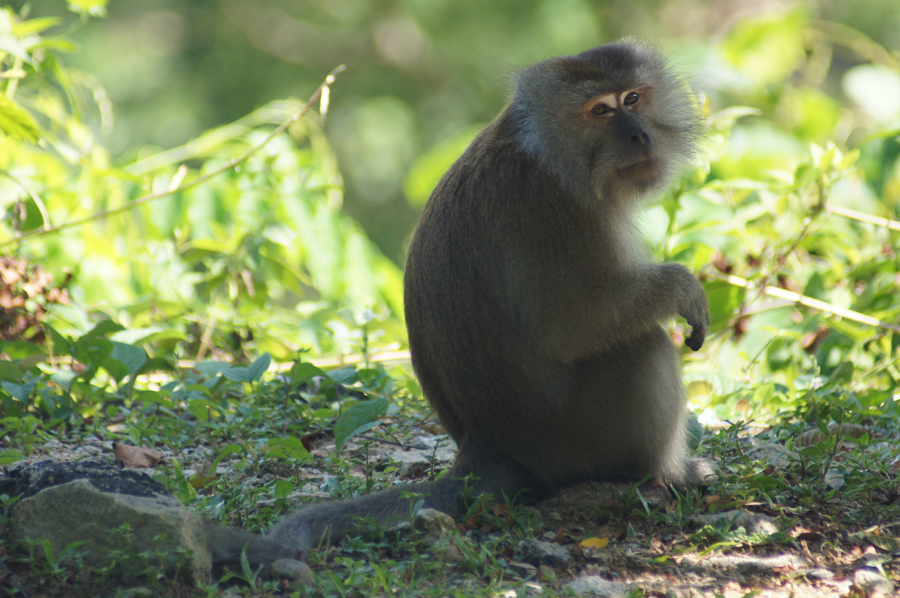
What has amazed us most is the way the animals cohabitate with the locals, and the tourist.

Apart from the numerous birds and butterflies there are somewhat larger critters like giant monitor lizards and families of monkeys.

What is so surprising about Tioman is that these animals are very happy to respect your right to be there if you just let them be.

This is in stark contrast to places like Bali, where the locals have made the monkeys so dependent on food, sold to the tourists, that the they have become a pest. The Bali monkeys have become so aggressive that people are now too scared to visit some of the original tourist attractions that made the island so famous.

The fauna isn’t the only inhabitant of Bali that is discouraging the tourists, the locals are doing a great job as well.

Touting on the beaches, in the bars and on the sidewalk has become so aggressive that many people are put off returning to what was once the paradise of South East Asia.

The over marketing, of the natural and human resources, has lead to a devaluation of what was the original attraction.

"Don't monkey with me"