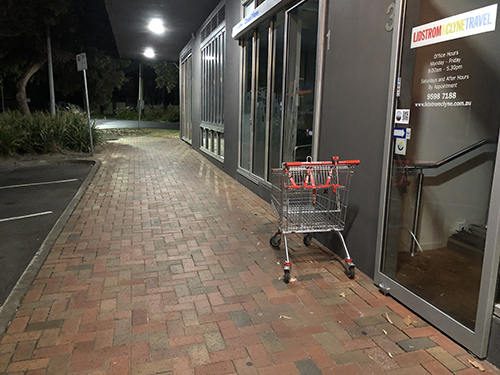
Supermarket trolleys have been around for quite some time.
The first one was invented in June 1937 by Sylvan Goldman, the owner of the Humpty Dumpty supermarket chain in Oklahoma, USA.
He simply took a folding wooden chair, attached wheels to the legs and a basket on the seat. He had already pioneered the idea of a self-serving store, so this was a natural progression.
Sylvan saw it as a way to get customers to purchase more, because they could carry more, on each trip to the store.
They were also seen to be of benefit to the customers, especially getting around the store and then to their vehicle or whatever form of transport they used to get home.
However now, because so many are abandoned, they are seen as nuisance.
And the supermarkets only have themselves to blame.
When some supermarket chains introduced the ‘pay to borrow’ concept the number of abandoned trolleys reduced dramatically.
The refundable $1 and $2 coins was enough incentive for people to return them to the racks.
As is always the case, there were still lazy buggers who couldn’t be bothered and didn’t mind forfeiting their money. However this was counteracted by the people who couldn’t see the money go to waste. They were very happy to get some free cash and would willingly return other people’s trolleys, even if it meant a short walk back to the supermarket racks.
Then the supermarkets introduced plastic tokens, to replace the real money, and the entire system started to fall apart.
And they gave the tokens away.
Now there was absolutely no incentive to return your trolley. Which is surprising, from the supermarket’s perspective, as a trolley can cost anywhere from $300, for a basic model, to $600 for a large child enabled one.
Some local councils put the onus of retrieving abandoned trolleys back onto the supermarkets. But this is just a bandaid and doesn’t take into account the inherent laziness of many people.
Apparently Coles are currently trialing the use of a QR code on their trolleys.
Firstly you have to download the app, then sign up to a Coles account. Once that is done you then have to scan the trolley and purchase a refundable digital token worth $2.
Once you have returned the trolley and rescanned the code again your money will be refunded.
So paying for a trolley has come full circle.
However this also has its downside.
With more and more personal data being compromised, just look at the Lattitude Financial debacle, people are unwilling to sign up to yet another scheme.
Then there’s the fact that we still have a large group of ‘Boomers’ who just don’t get the digital age. They still visit a bank, carry cash and post letters to their friends.
They are being left out of so much and now the simple task of getting a trolley might yet be another example of contemporary life just abandoning them.
Why the supermarkets don’t just return to the old system of ‘cash for a trolley’ is beyond me.

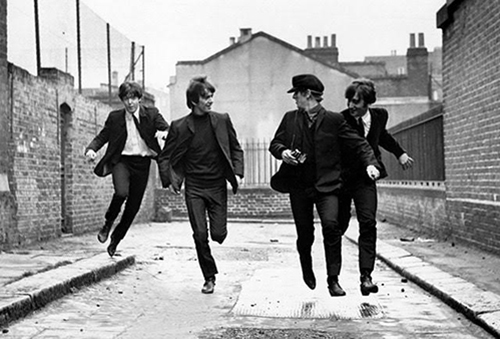
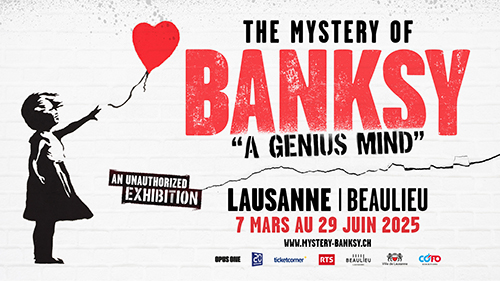
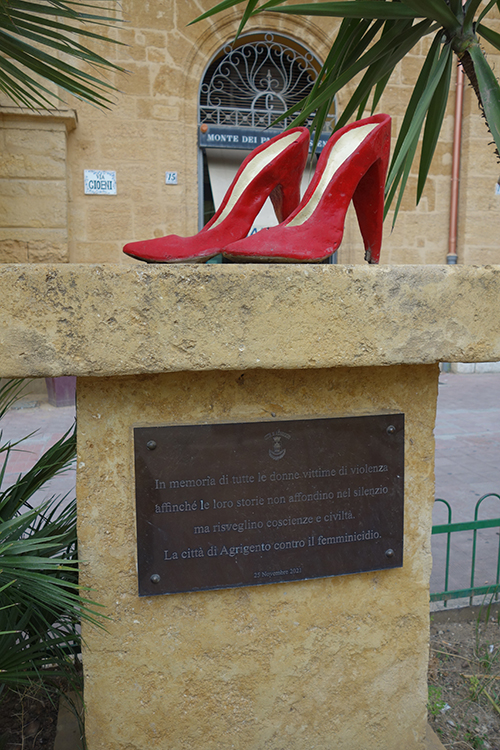










Tees, a great way to express an idea.
Sunday, February 15th, 2026Around 2008 I discovered the fun of designing and printing my own T-Shirts.
I have made countless ones since then and still get a lot of pleasure from it.
Seeing your work in print has always been a tremendous reward for creative people.
One of the best parts about publishing them myself is that there are no clients or suits dictating what they should say or what they should look like.
Tees are worn by so many people, young and old, and can simply express an idea, sell a product or even tell a joke.
Below are some of the Tees that I have made over the years.
Christmas.
Covid.
Friends.
Melbourne.
Music.
Personal.
Political.
Product.
Religion.
Travel.
Posted in Advertising, Art, Comment, Design, Good ideas, Grumbling, Marketing | No Comments »